
Wakefield Pinders Primary School
Geography

"I wish the world was twice as big and half of it was still unexplored"
David Attenborough
Subject Leader: Mrs Armstrong
Subject Governor: Mr Shab Saleem
Curriculum Intent
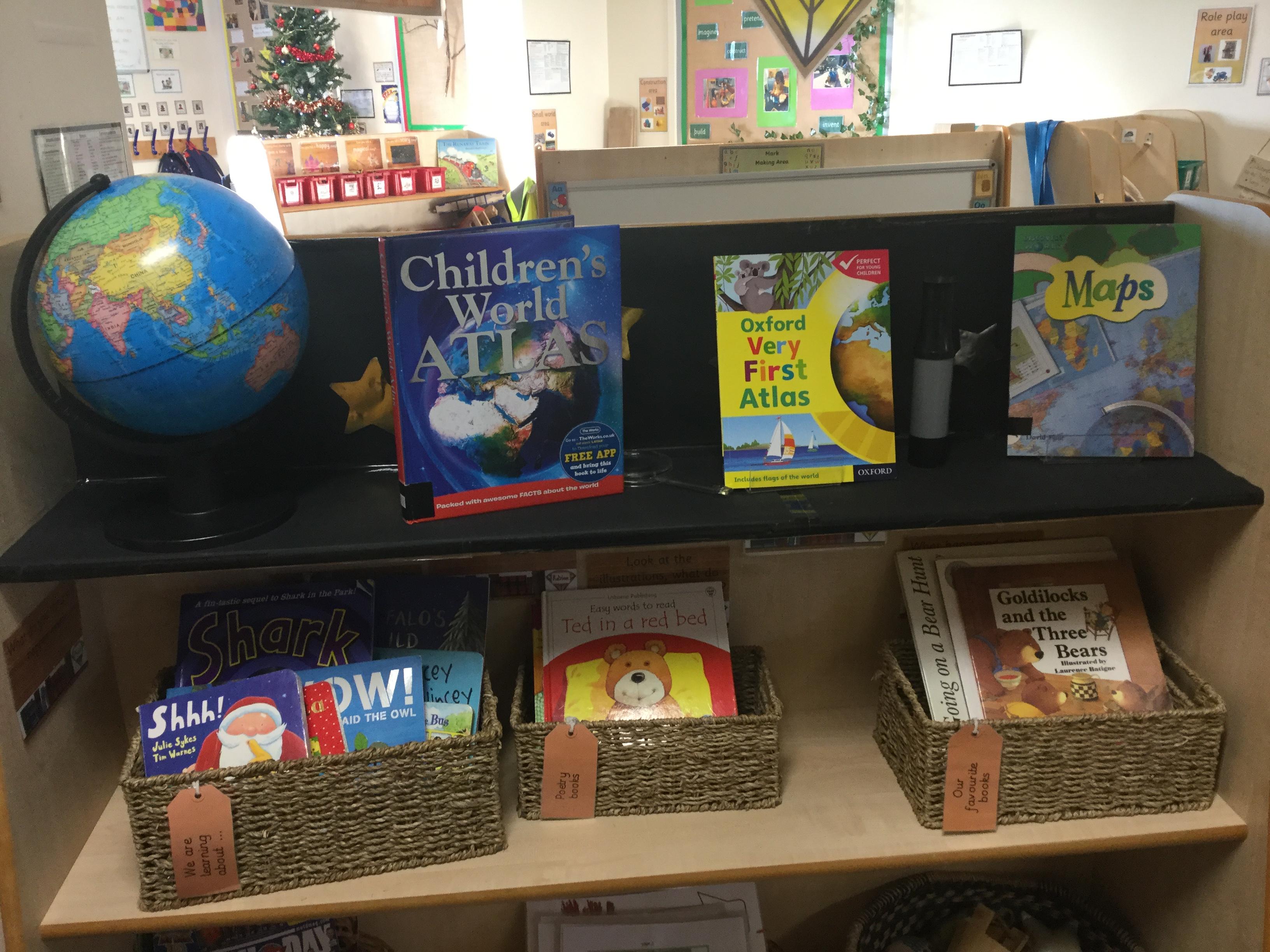
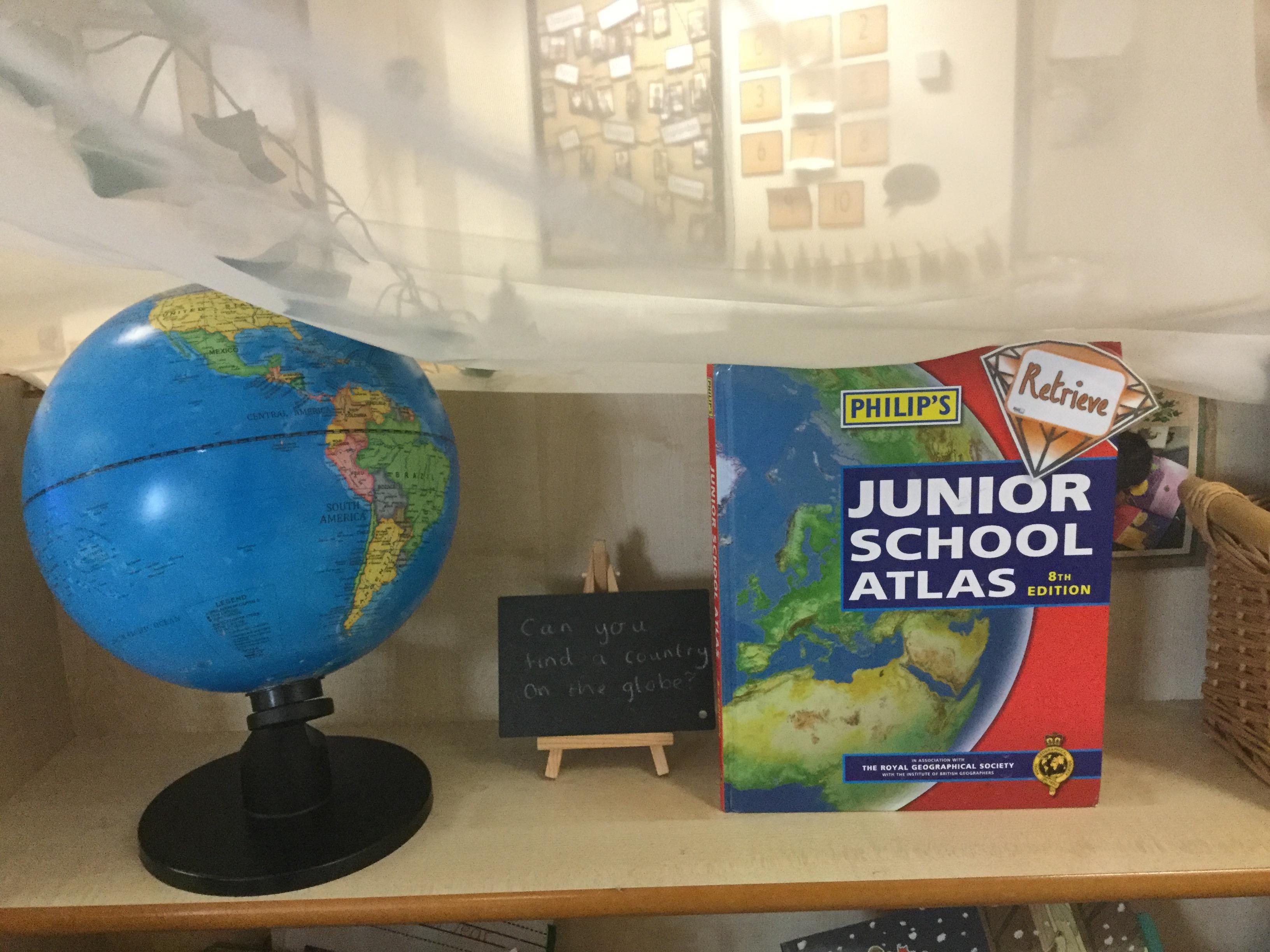
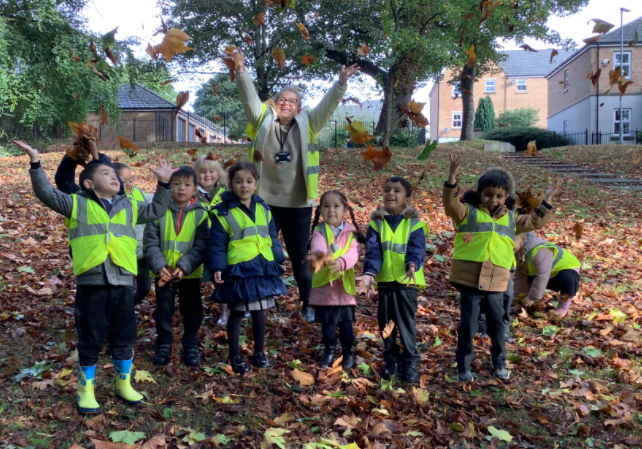
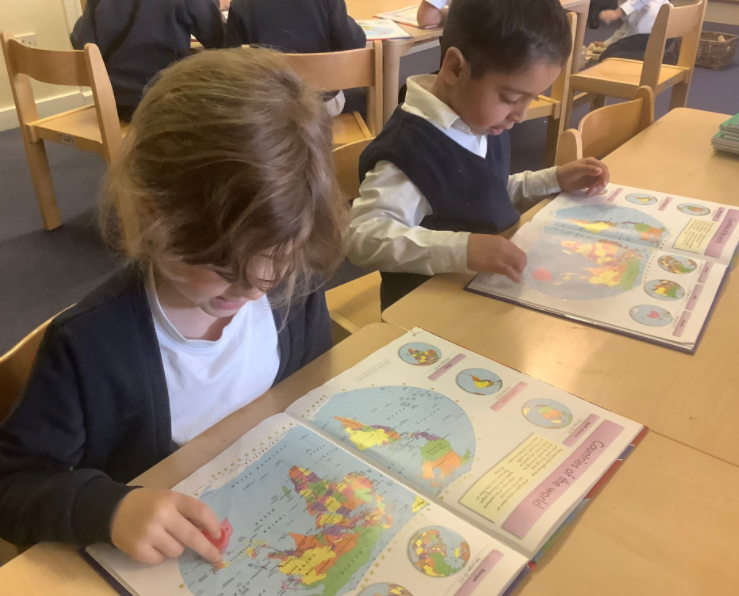
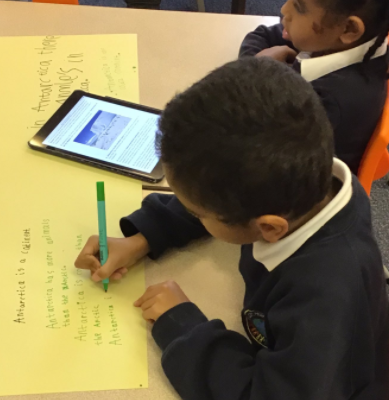
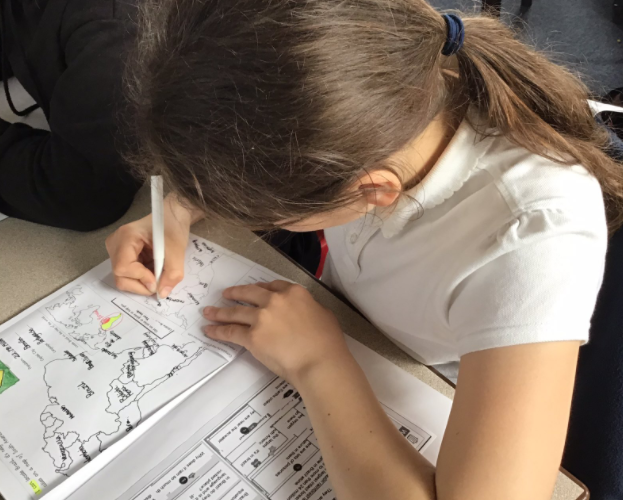
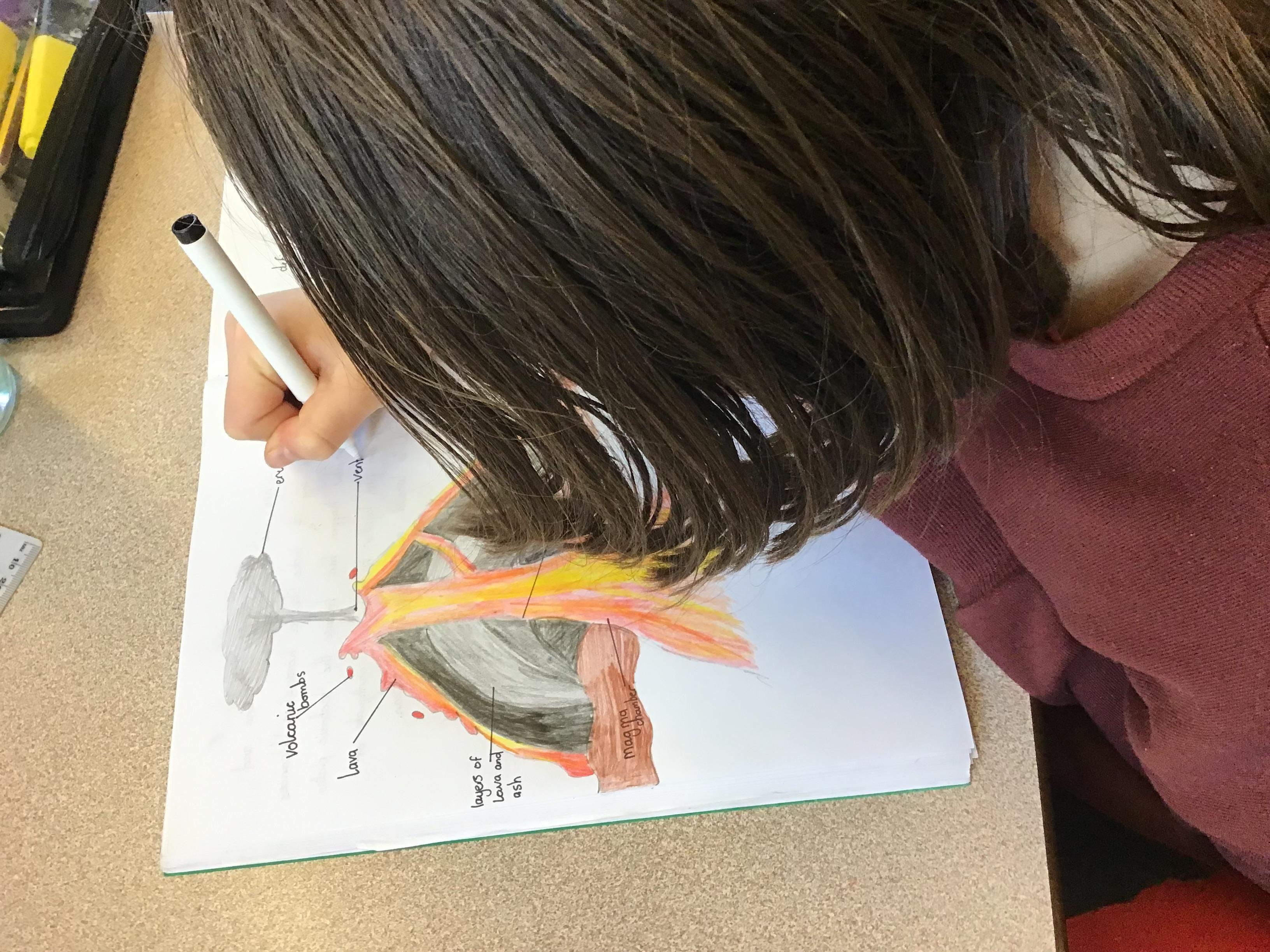
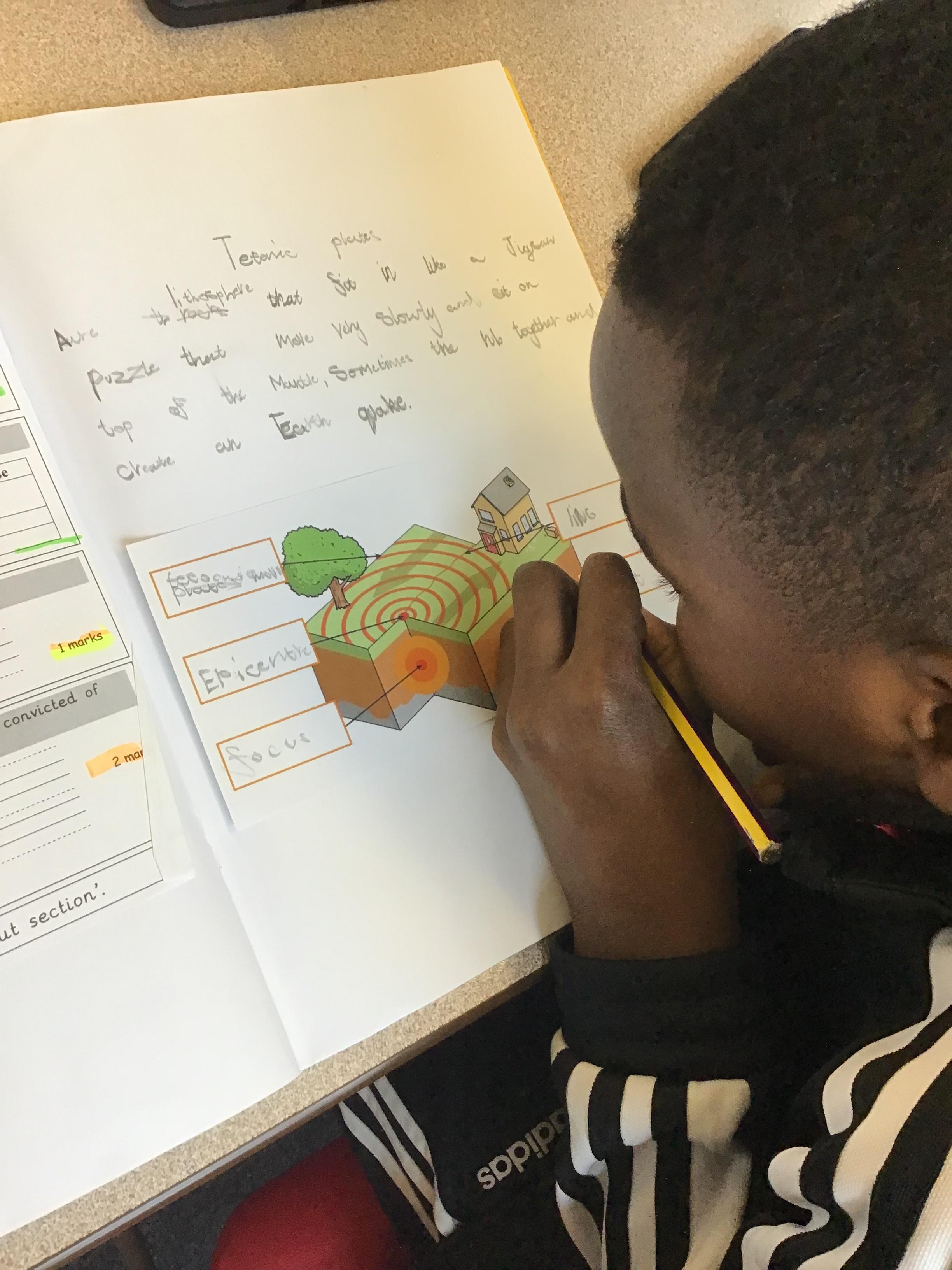
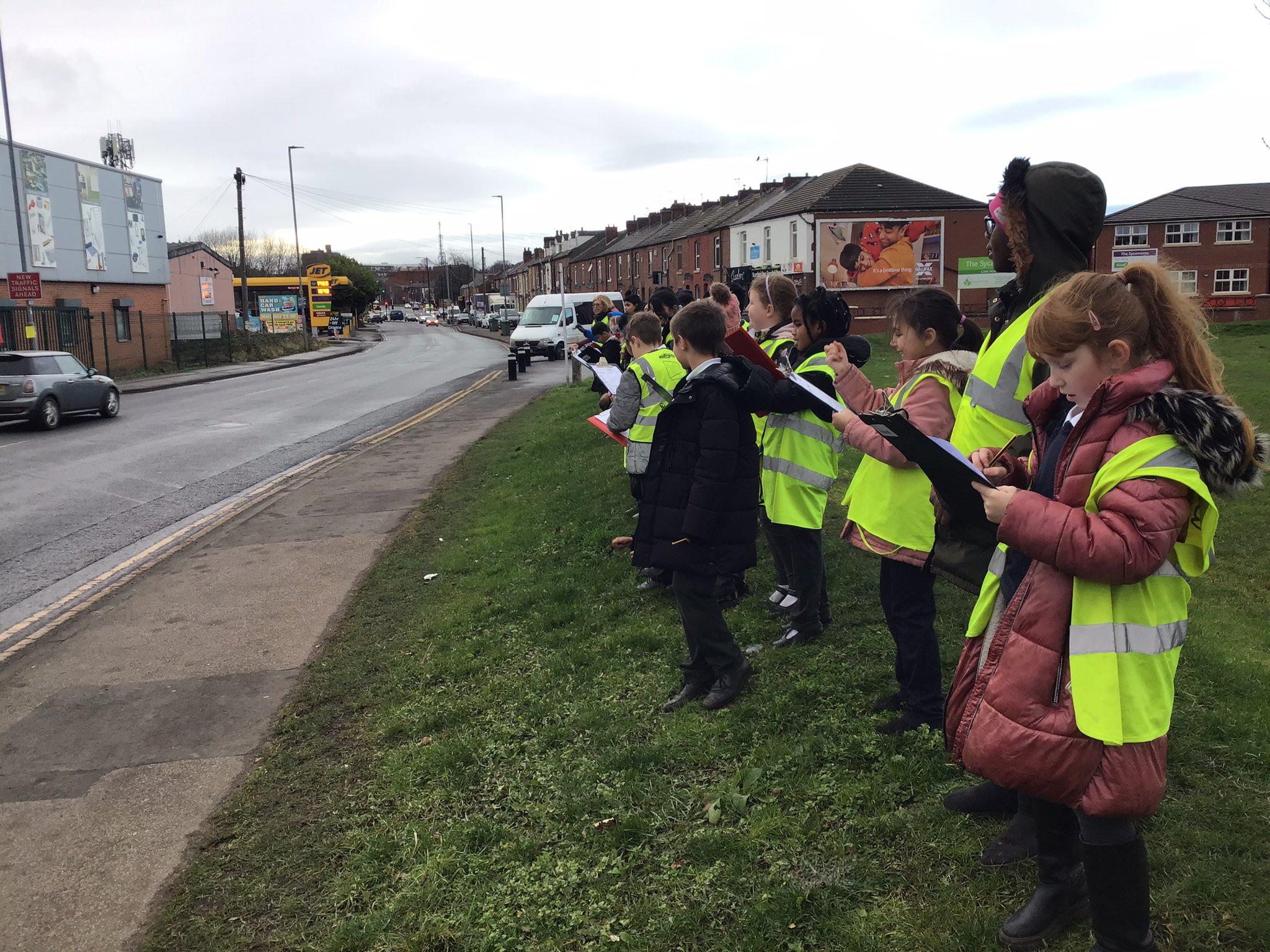
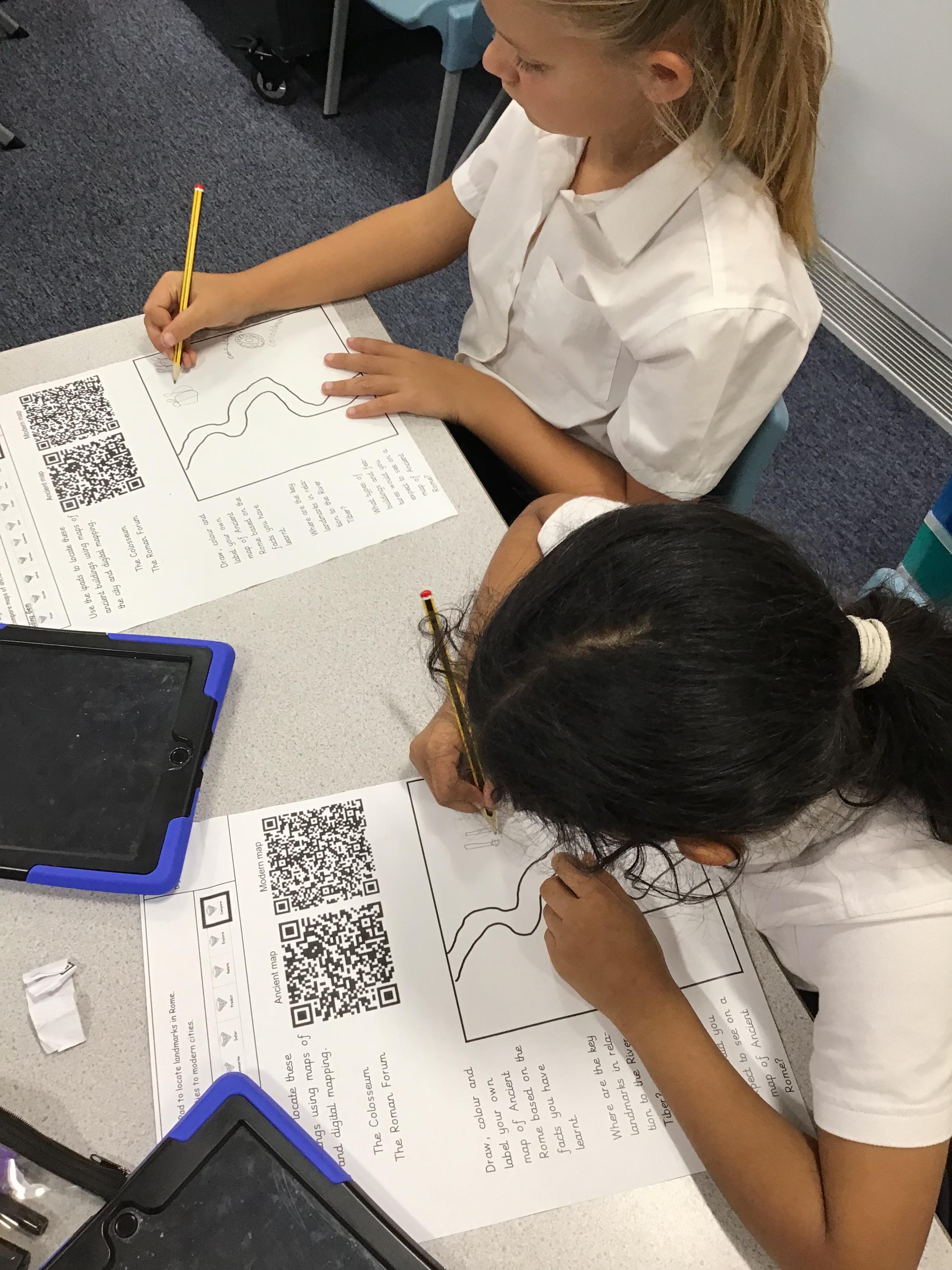
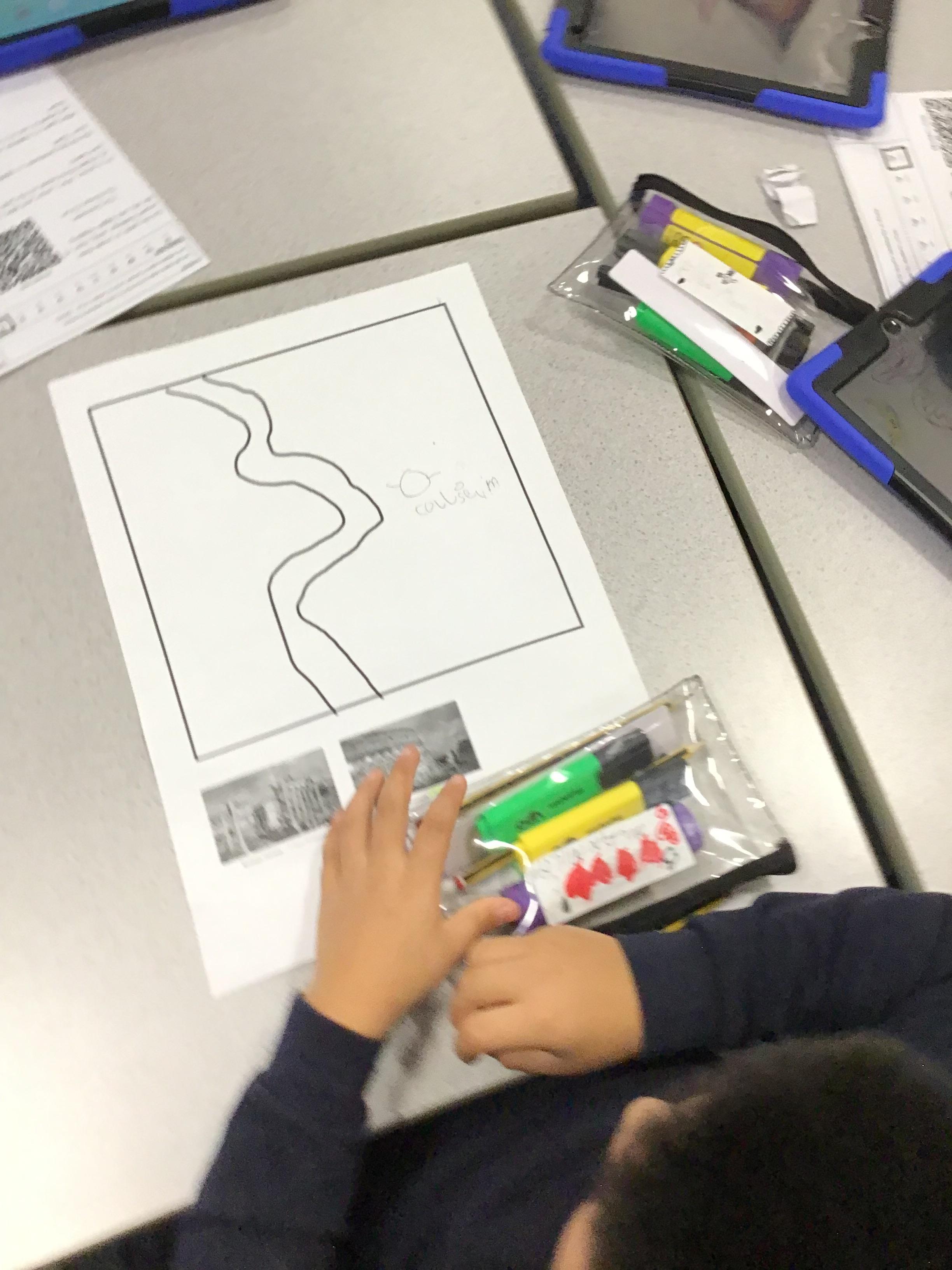
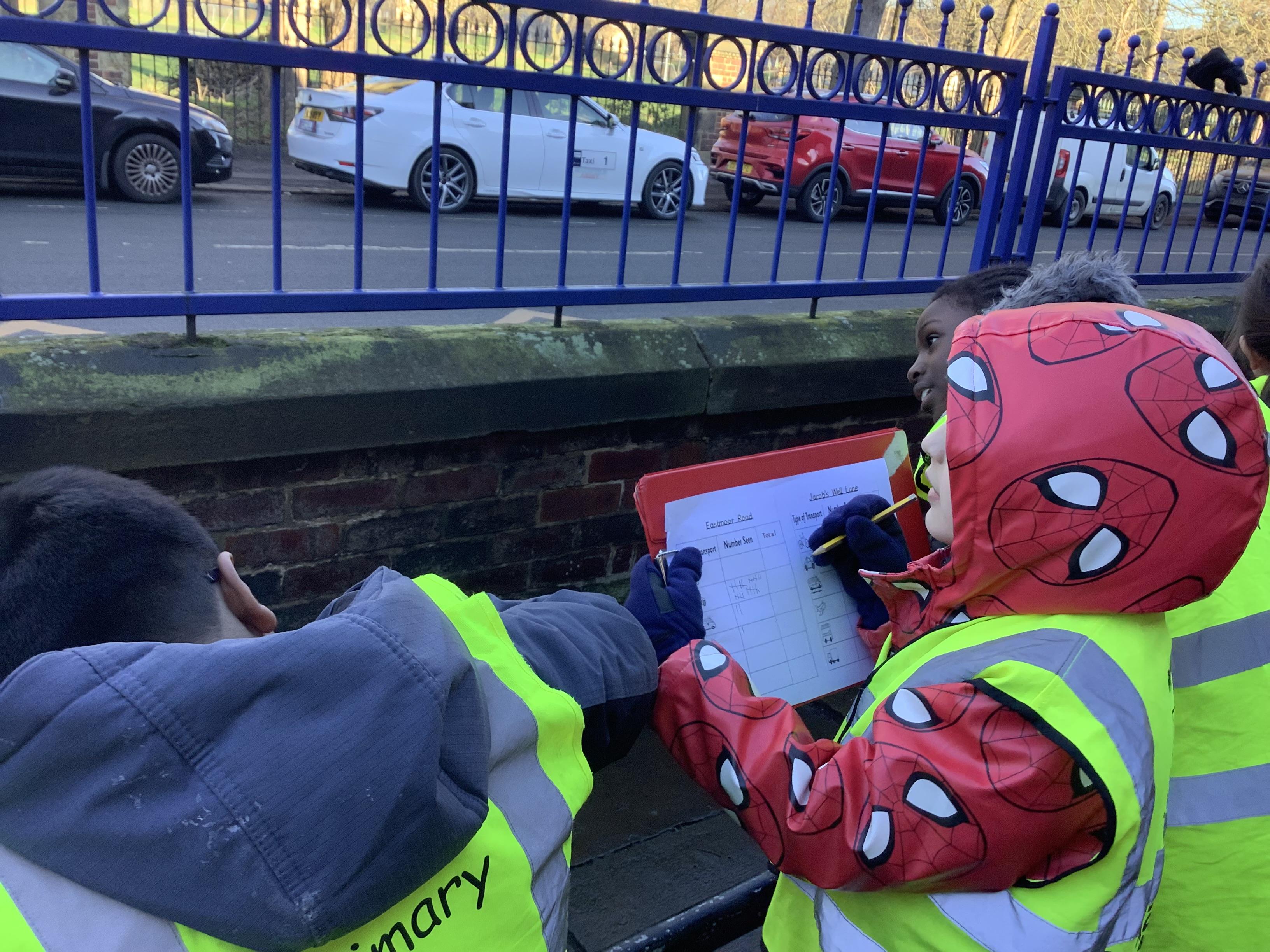
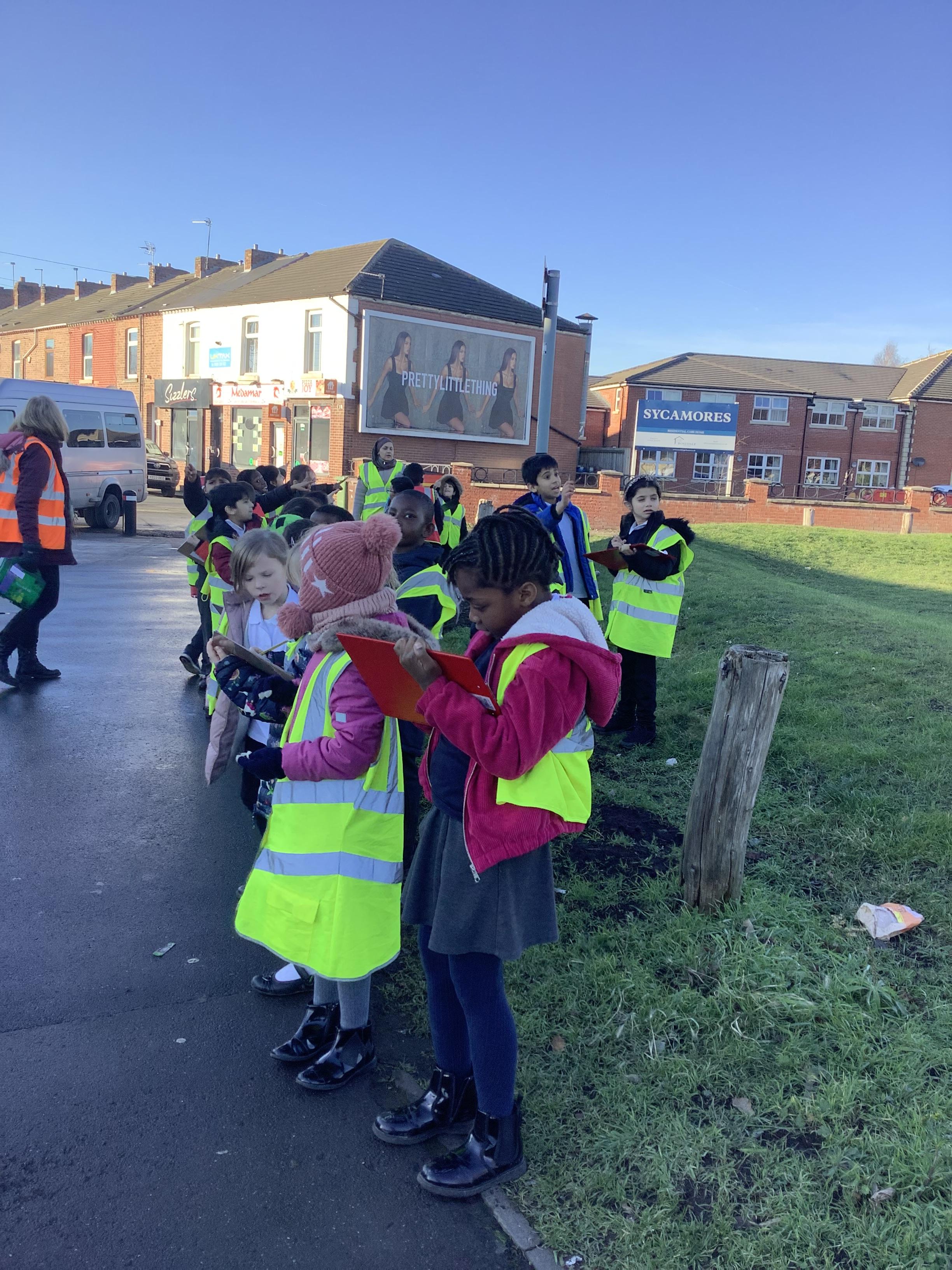
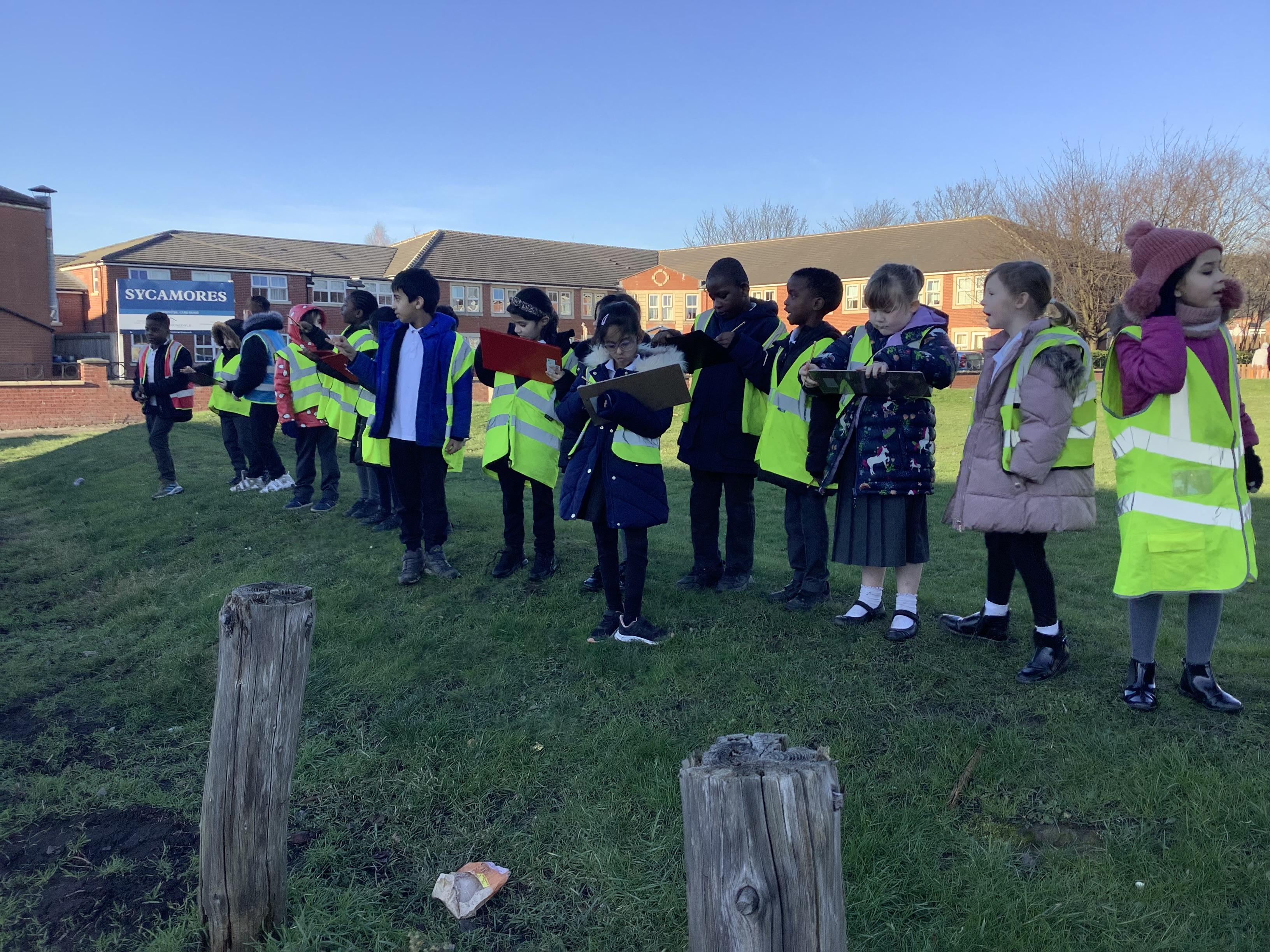
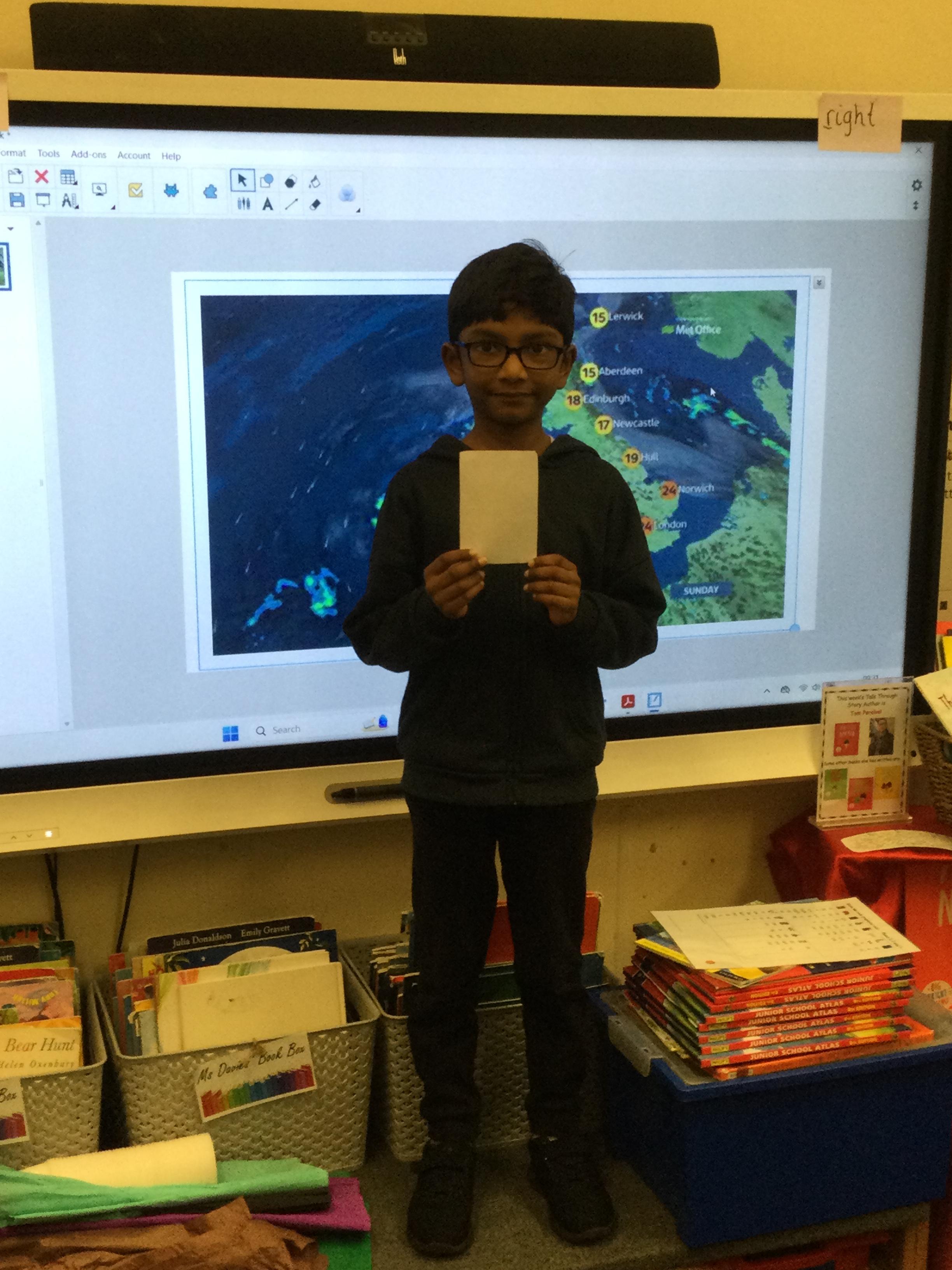
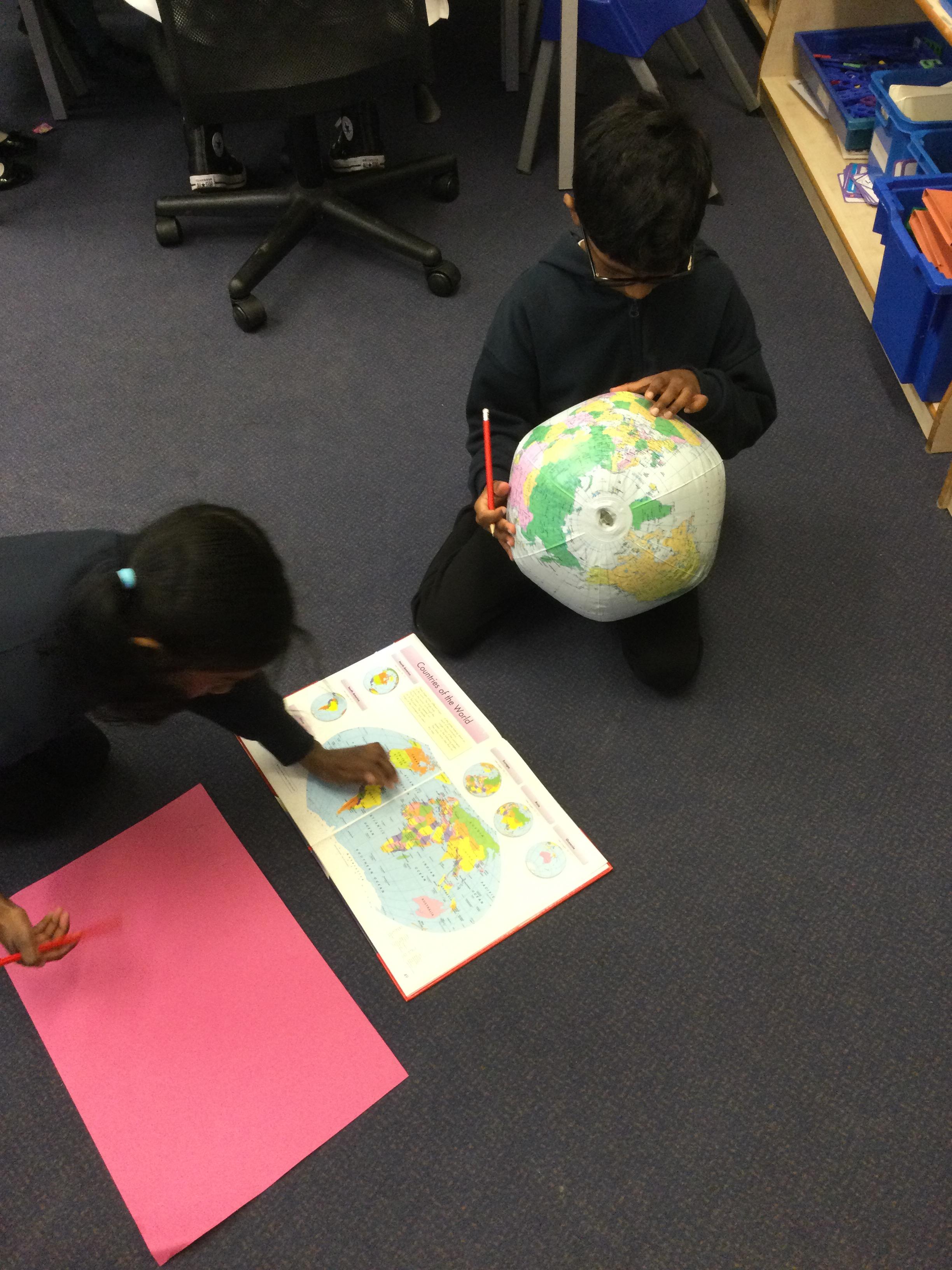
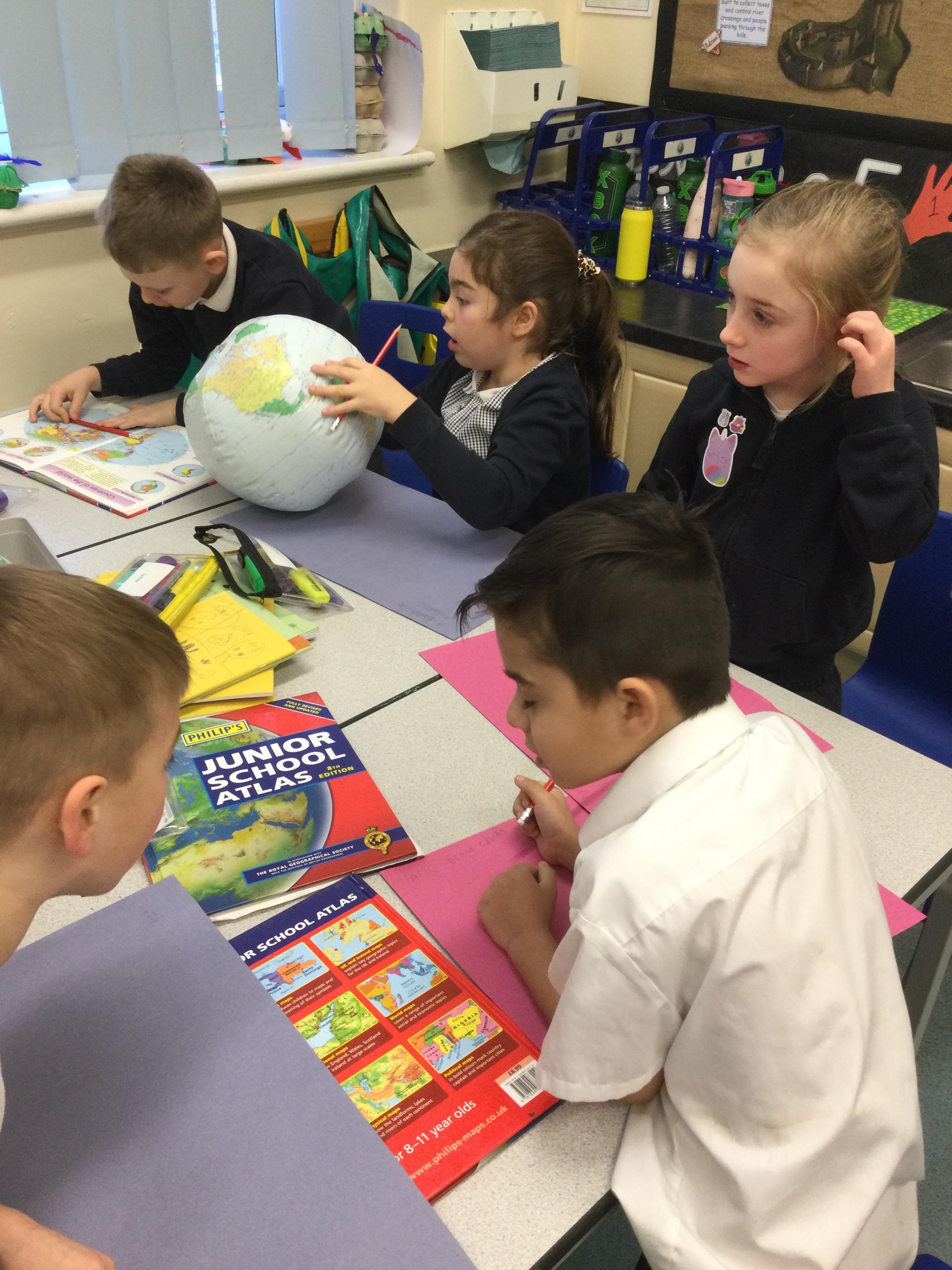
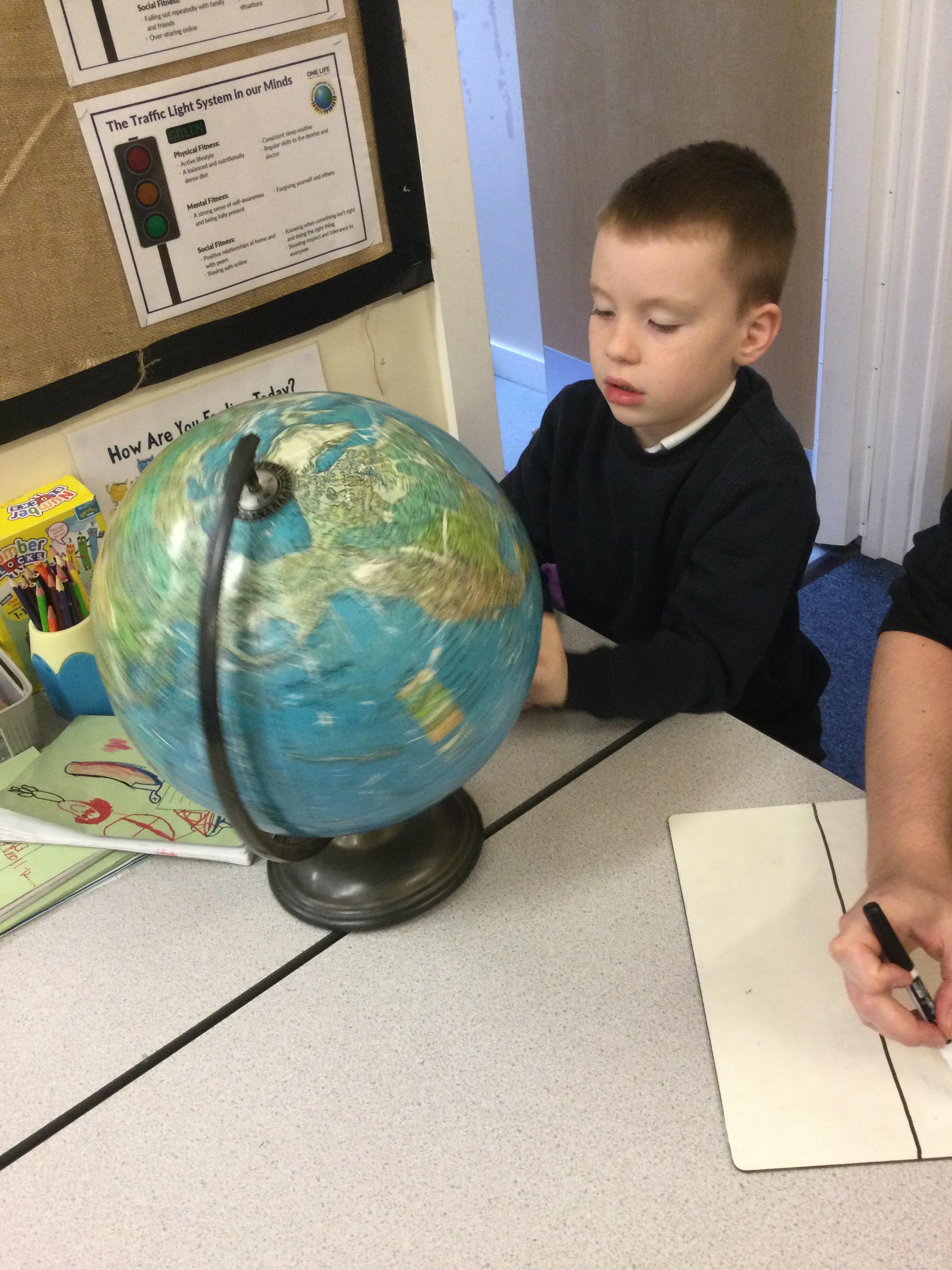
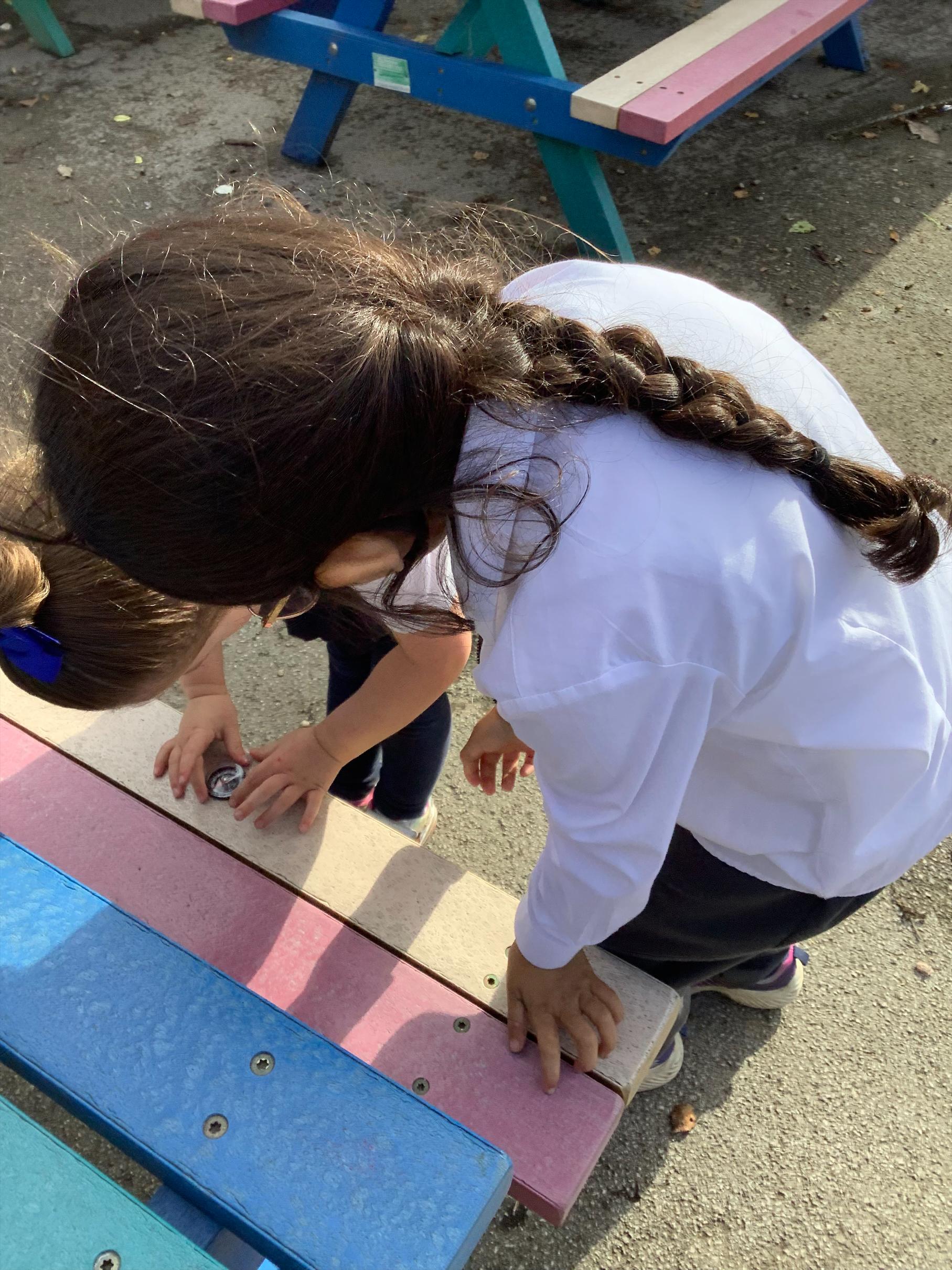
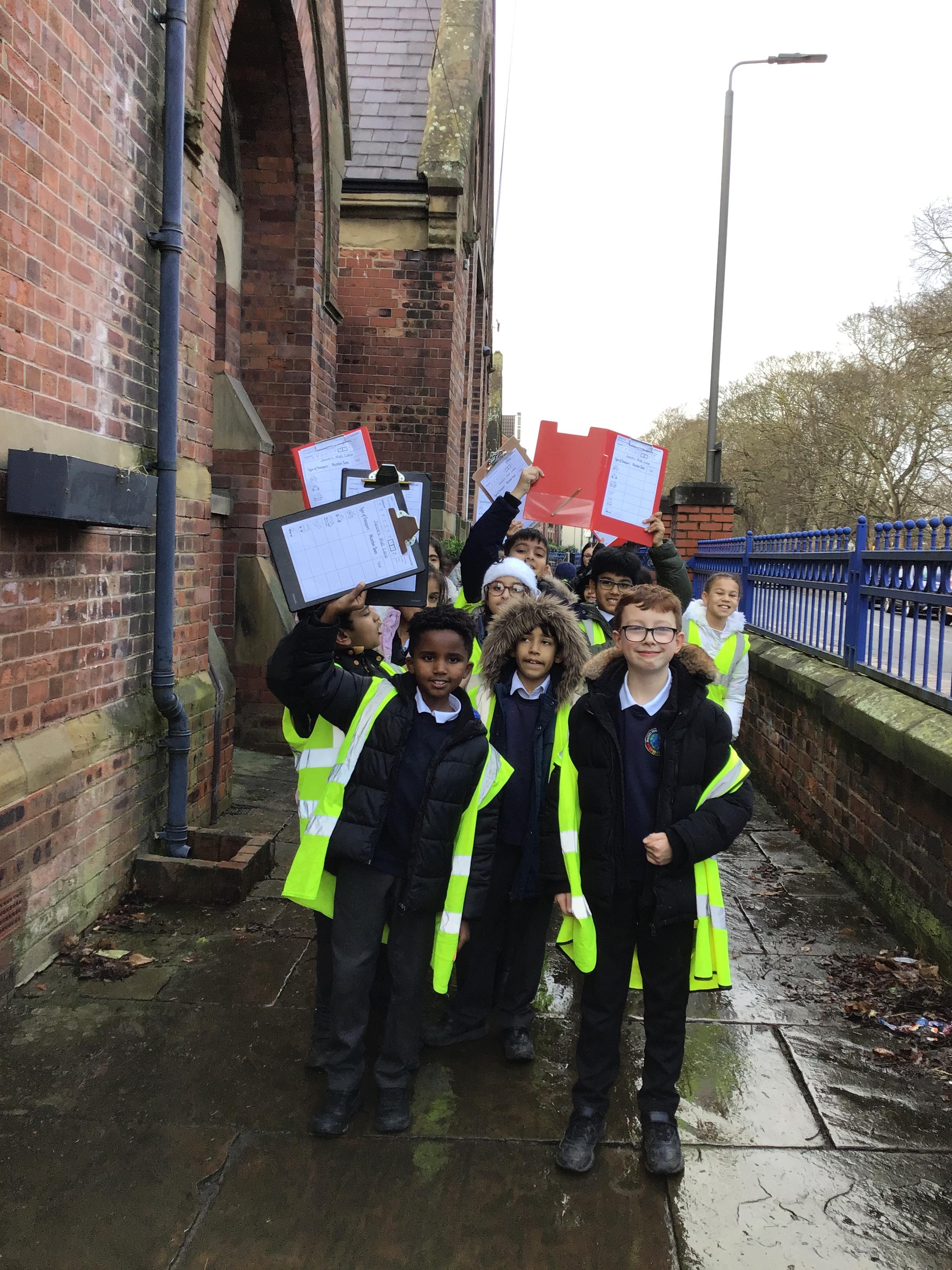
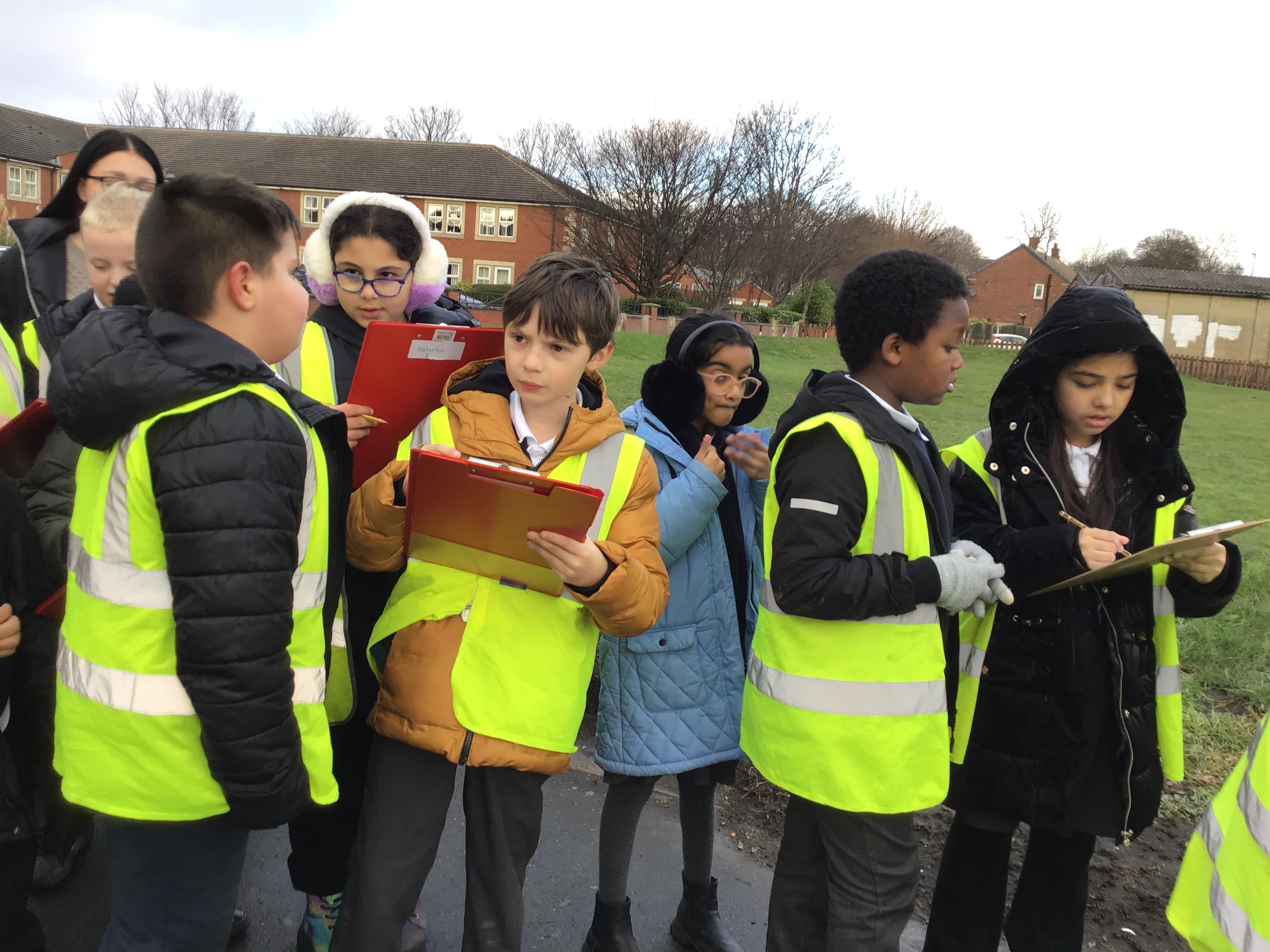
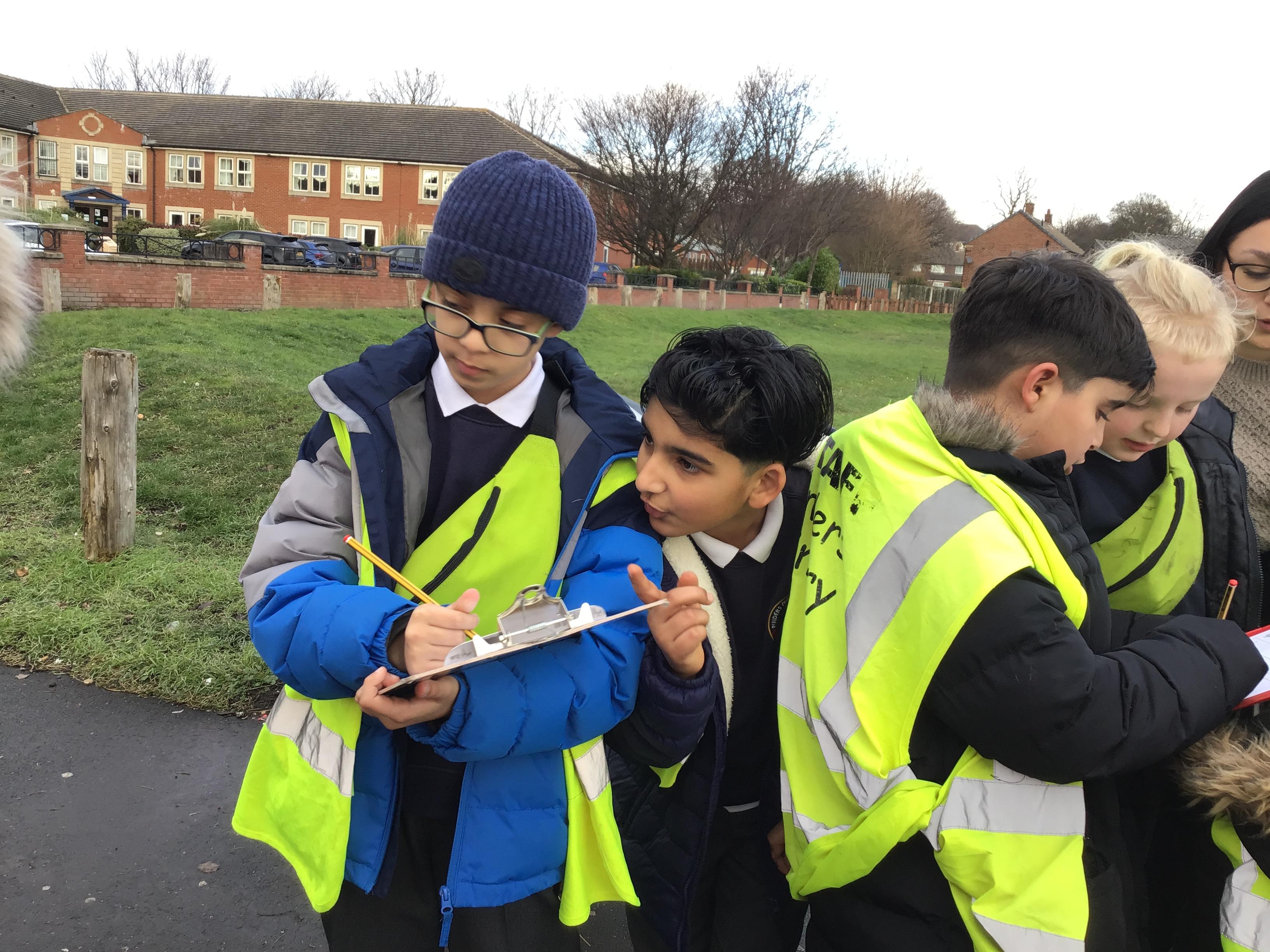
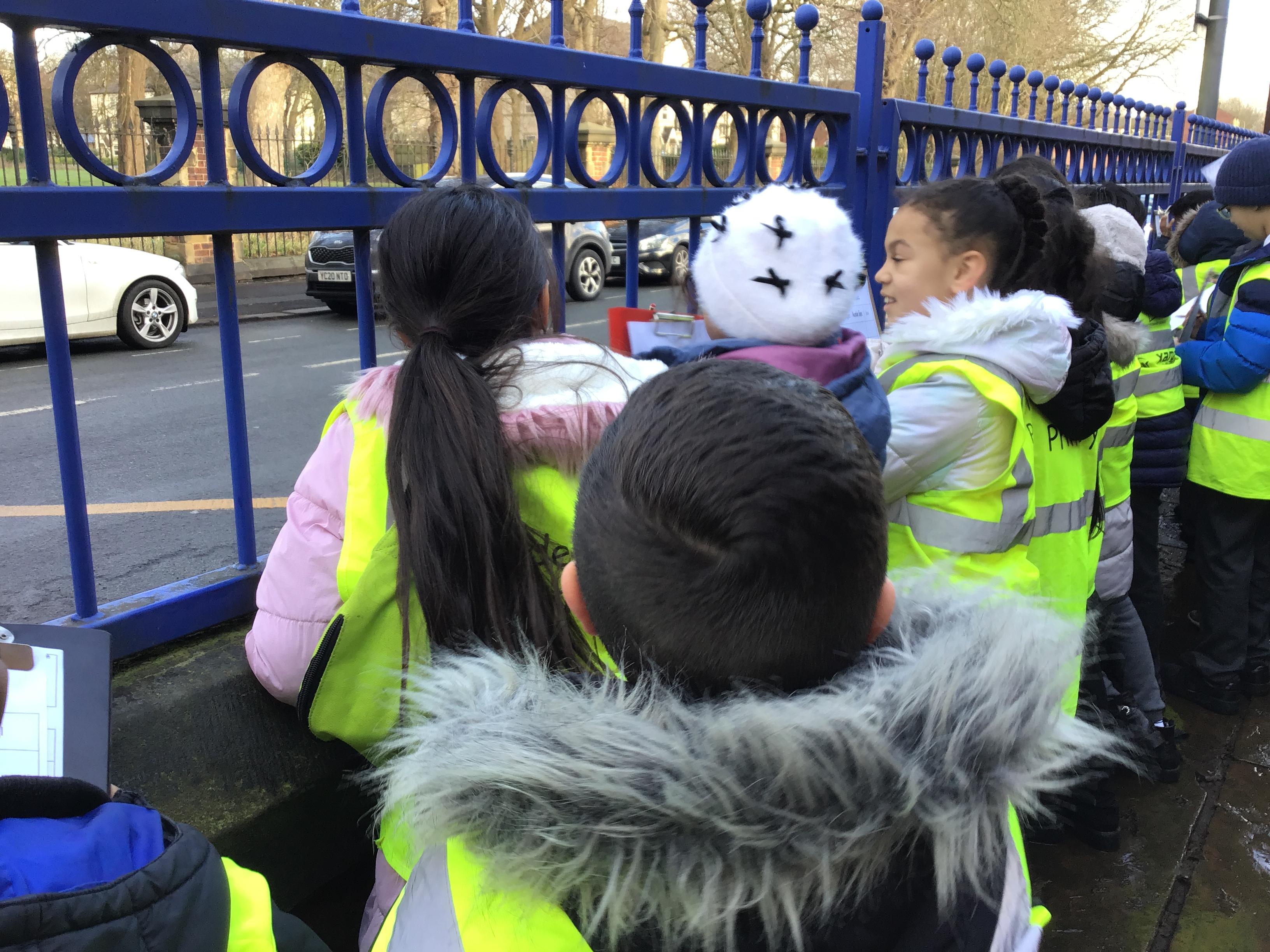
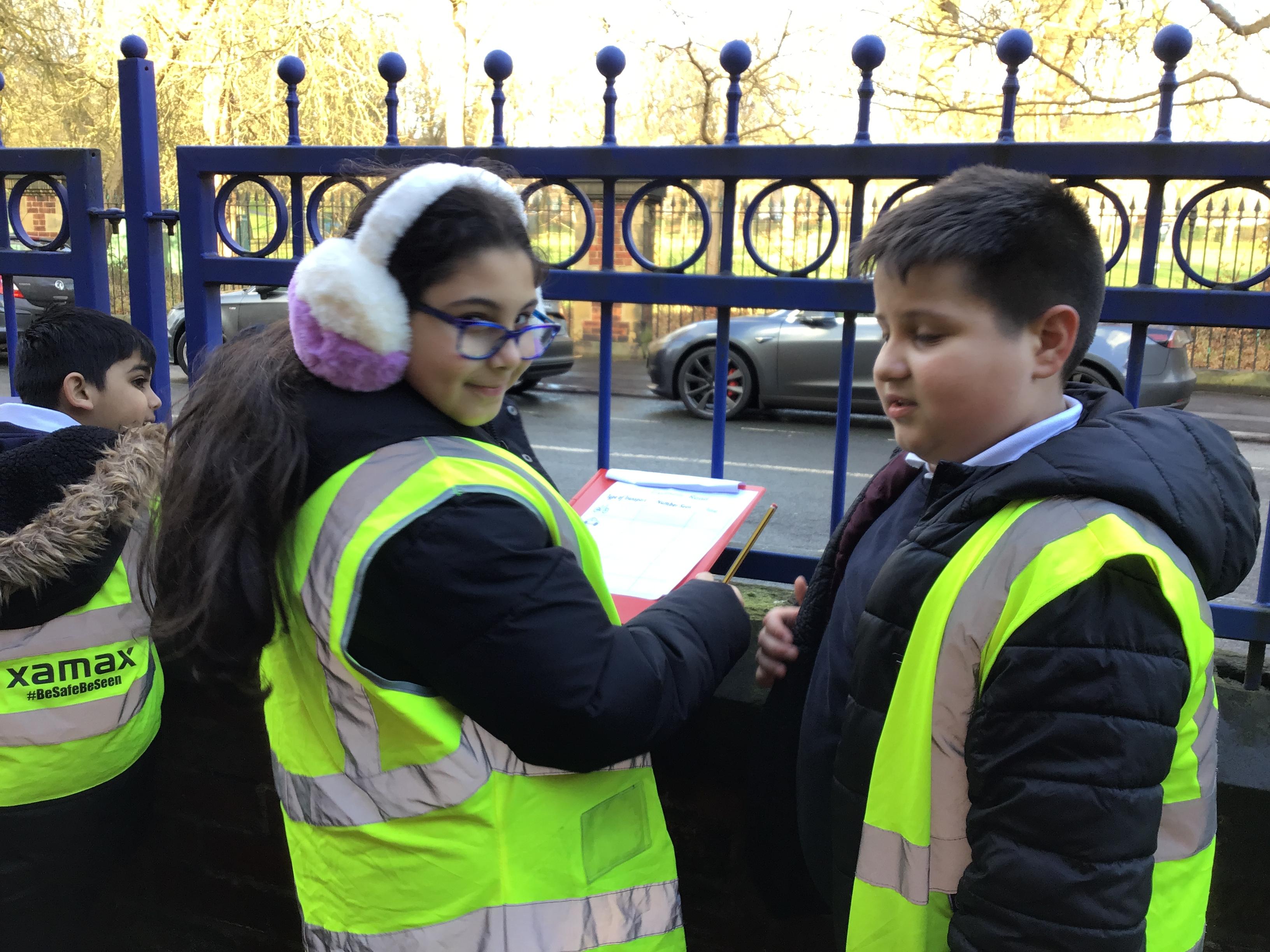
At Pinders Primary School, our intent is to deliver lifelong experiences and understandings which lead to inspiring and igniting children’s curiosities about the wider world, as well as exploring the world beyond their very own doorstep. We provide all children with opportunities to explore the local area of Wakefield and understand what makes it unique, as well as research and explore significant people, both globally and locally. Here at Pinders Primary we expose children to first-hand experiences which include fieldwork, orienteering, forest schools and residential, which also ignites a love of geography. Increasing children's exposure to exploring the world around them helps build upon their geographical skills and provides them with opportunities to advance their knowledge. This is also fostered and highlighted in the classrooms through work on place knowledge using globes, maps and atlases, as well as developing their knowledge of flags across the world. At Pinders Primary School, we celebrate our diversity and have used these to develop a unique curriculum which is relevant to our community and acknowledges the range of cultures we have within our school.
Aims in teaching geography at Pinders Primary School:
- To ignite curiosity in children about their surrounding world.
- To develop contextual knowledge of location and the world around them.
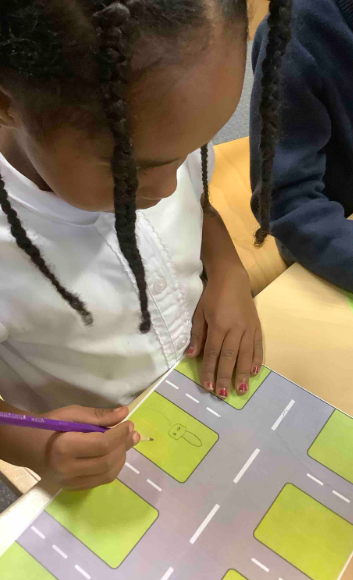
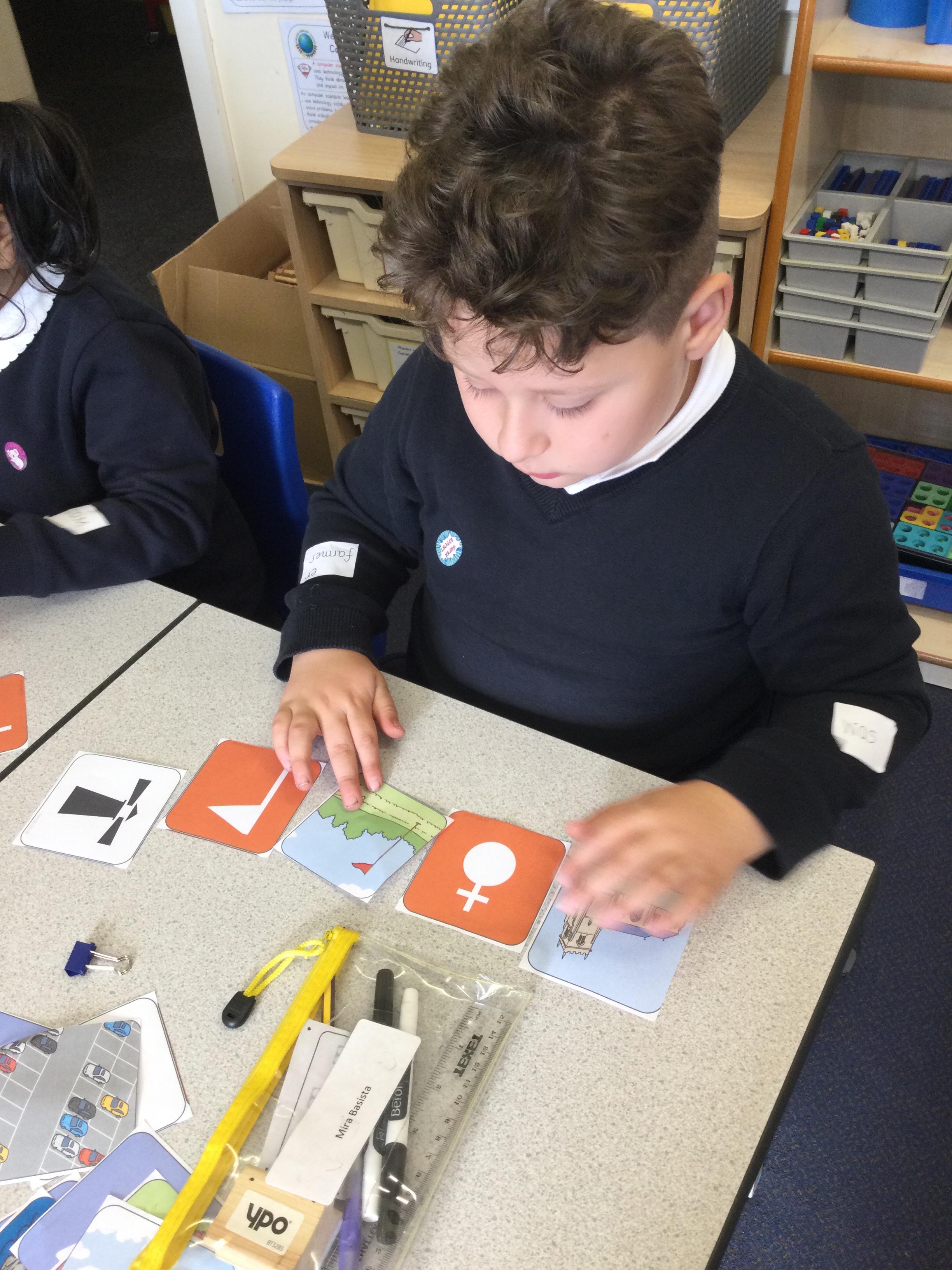
- To be able to read maps and co-ordinates to find locations.
- To understand the difference between physical and human geography, know whether these features are interdependent and how they bring changes over time.
- To ensure children are competent in various geographical skills, including analysing and interpreting.
- To love geography and see themselves as geographers!
How is the content chosen?
Whenever possible, we teach through a themed approach, to enable children to embed learning and make connections which leads to a greater depth of understanding within the subject. Key themes have been chosen to make effective links within topics, across year groups and ensure they build upon prior learning. The content is ambitious and reflects expectations in the National Curriculum programmes of study and Early Years Foundation Stage (EYFS) framework, which engage and inspire our children.
Our Geography Statutory National Curriculum Programme
National Curriculum Programme of Study KS1 and KS2
How the subject is taught?
At Pinders Primary School a clear and comprehensive scheme of work in line with the National Curriculum is in place. A two-year, long-term rolling programme maps out the coverage of the discrete teaching and learning opportunities for children to use and explore different geography themes and develop their geographical skills. At our school, we follow the Geography Programme of Study and have tailored it to meet the needs of our school and community context.How do we ensure progression of knowledge and skills?
At Pinders Primary School we have a comprehensive knowledge and skills progression document in place for the teaching of Geography. This is used for planning, to ensure sequenced and appropriate content for specific year groups, as well as a build up of knowledge and skills.
Within these documents there are also opportunities for differentiation, in order to meet the needs of all learners.
Adaptations
- Communication-friendly strategies: Make it visual: add pictures to word banks to help all children access them. When children need further support, offer fixed choices.
- Break learning into chunks.
- Ensure you mix teacher talk with partner talk.
- Build opportunities to develop attention and listening skills with the whole class. e.g. when feeding back answers, tell the learner that they will be sharing their partner's answer.
- Allow thinking time: always allow thinking time when you ask a question, even before children talk to their partner (think, pair, share)
- Give pupils movement breaks. This could be built into the lesson routine
- New vocabulary should be planned for and taught in context. Model using new words in a sentence and give pupils time to practise them in context.
- Resources – think carefully about the design of any resources to ensure that it meets individual learners with SEN, such as increased text size, an accessible font.
- Plan to teach a new language explicitly. Emphasise and illustrate vocabulary.
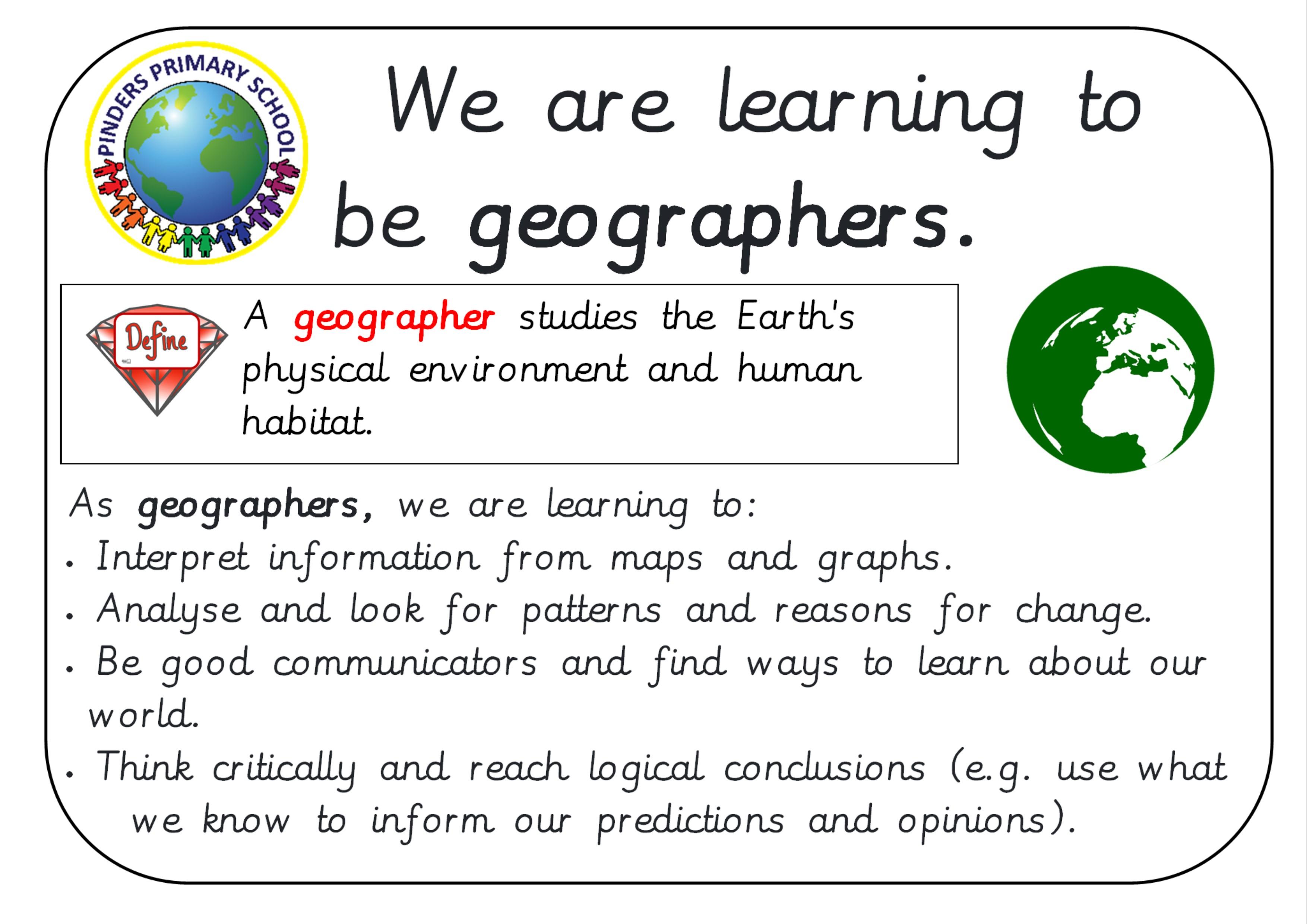
Becoming an Geographer
When children are learning about a subject through a discrete teaching session, they are explicitly told that today they are going to be 'Geographers'. They are then reminded of the key skills that they will learn, use and develop within that subject.
Teaching Geography in EYFS
Understanding the world involves guiding children to make sense of their physical world and their community. The frequency and range of children’s personal experiences increases their knowledge and sense of the world around them – from visiting parks, libraries and museums to meeting important members of society such as police officers, nurses and firefighters. In addition, listening to a broad selection of stories, non-fiction, rhymes and poems will foster their understanding of our culturally, socially, technologically and ecologically diverse world. As well as building important knowledge, this extends their familiarity with words that support understanding across domains. Enriching and widening children’s vocabulary will support later reading comprehension.
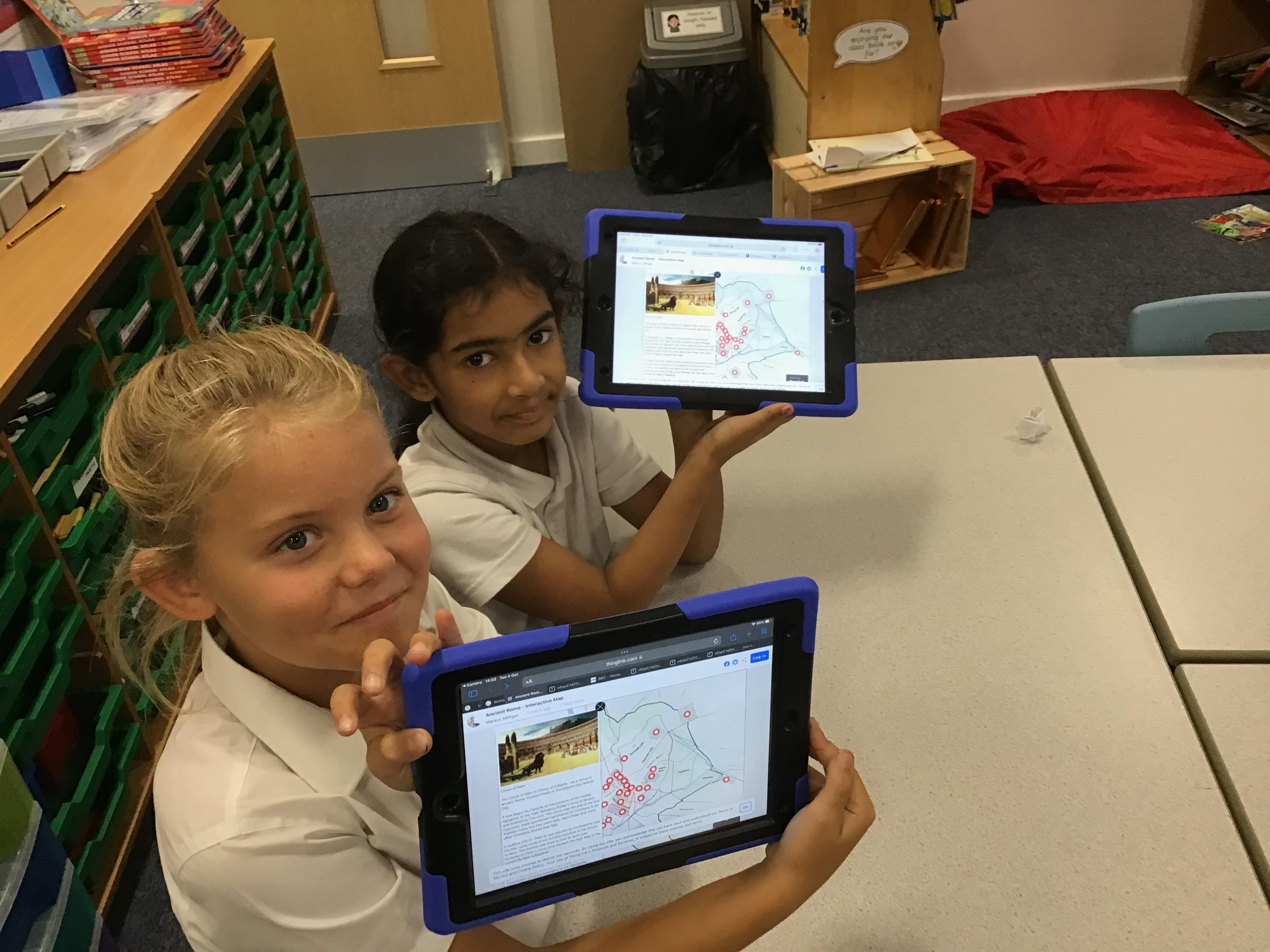
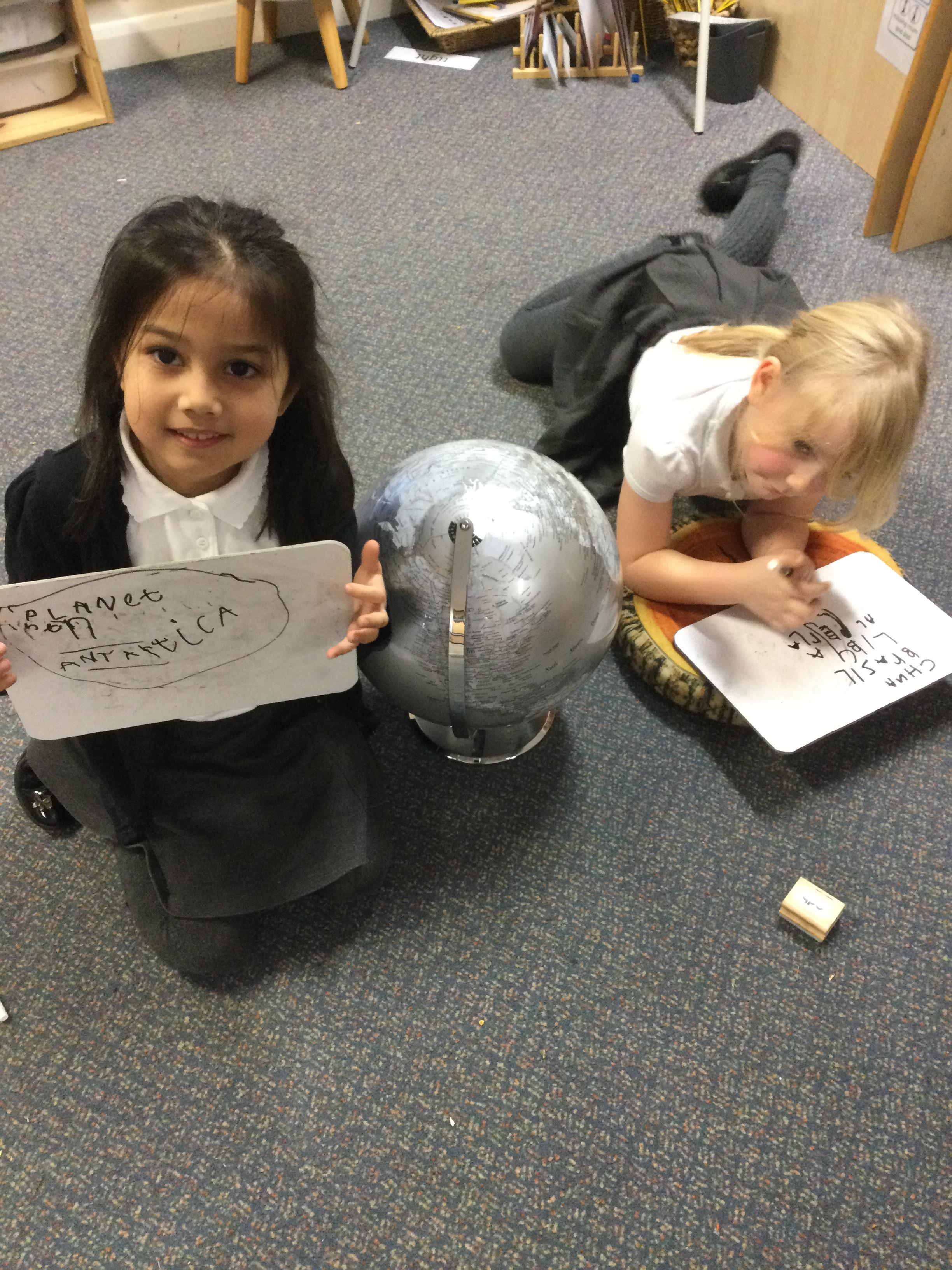
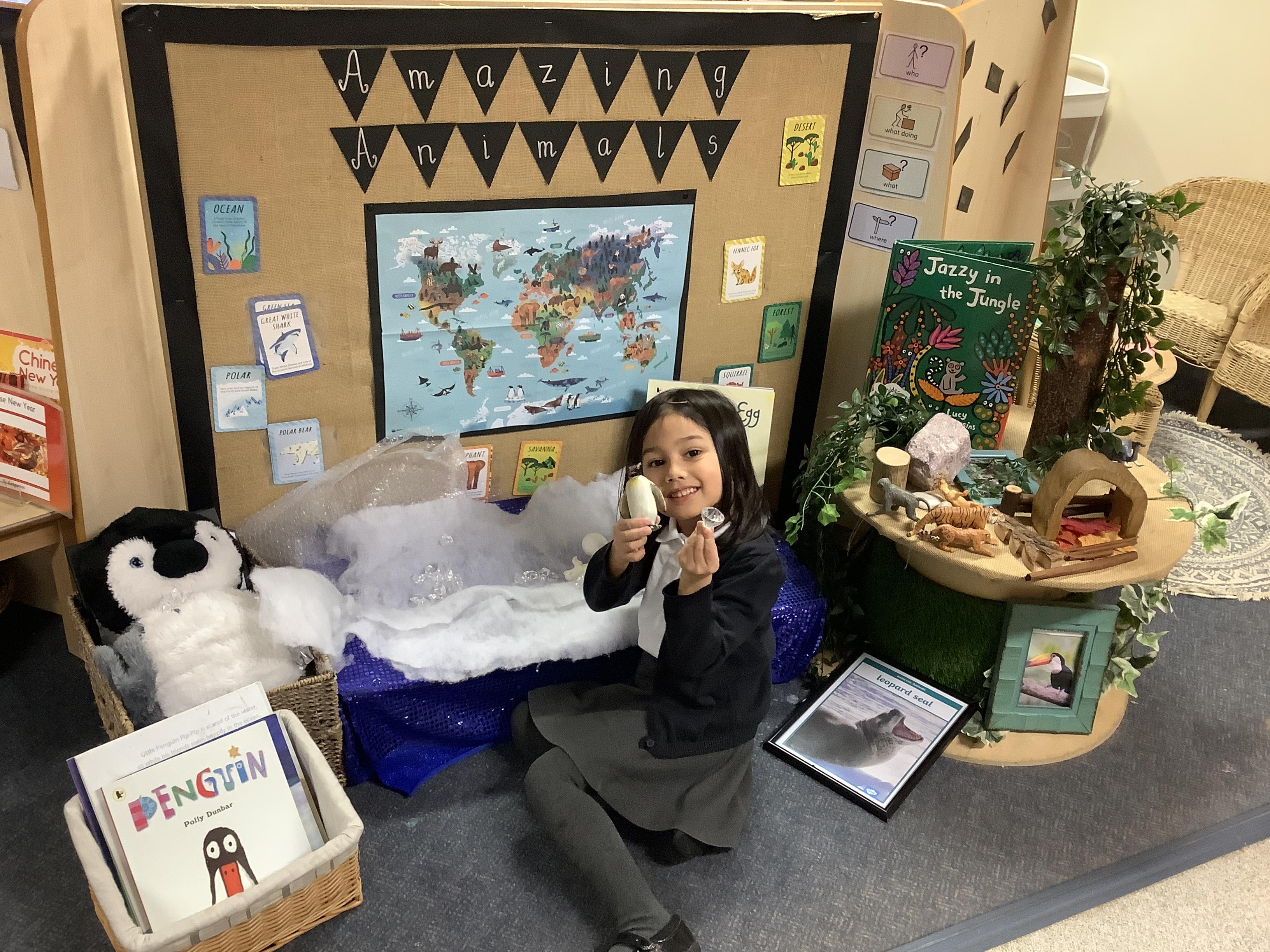
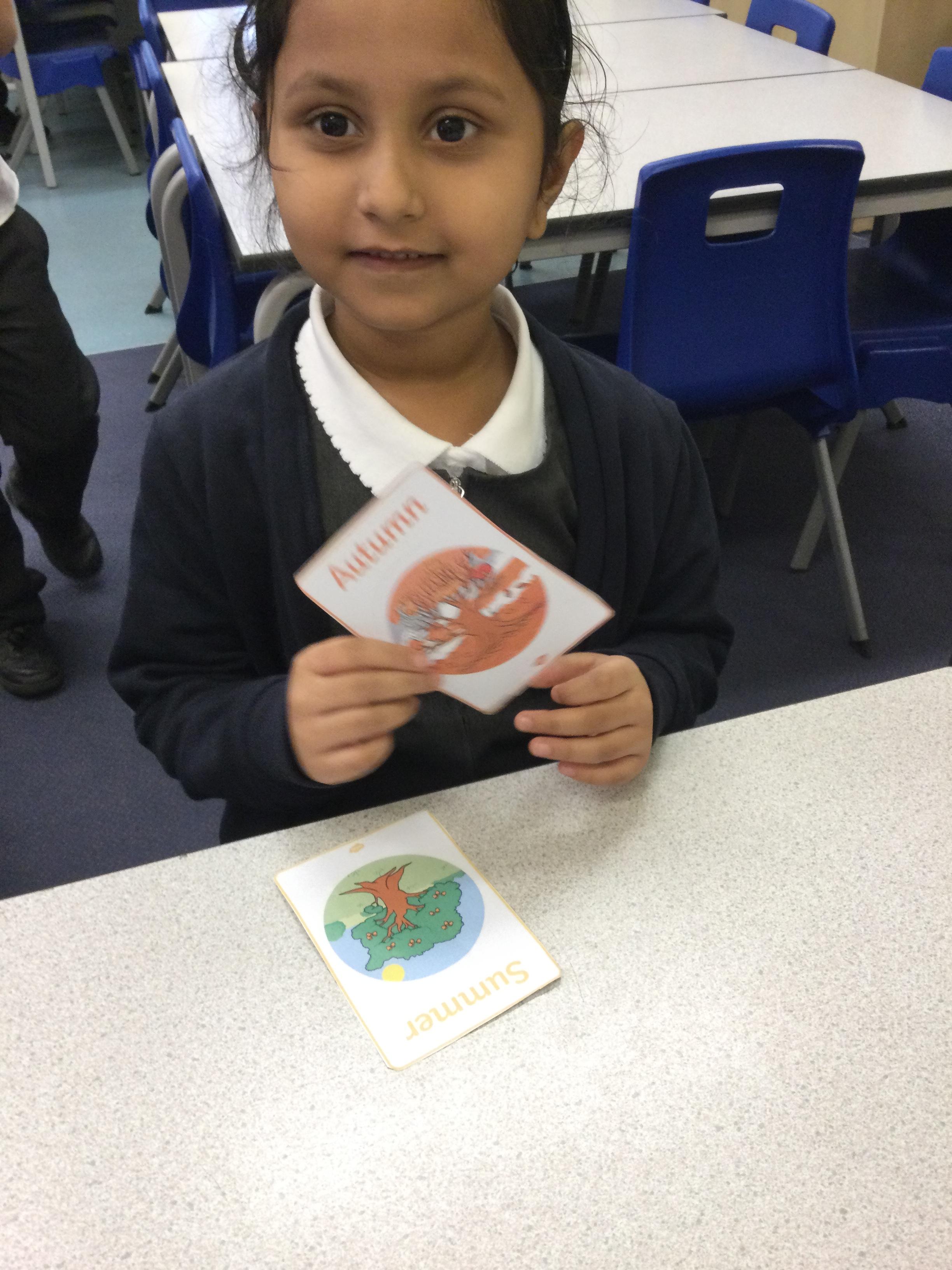
Throughout their time in EYFS, the children begin to gain some early geographical knowledge and skills through focused topic teaching sessions and accessing high-quality provision. The children engage in hands-on experiences which promote social and cultural understanding and allow for detailed discussions reflecting the world around them and changes in the environment. To develop children’s substantive knowledge, we use engaging floor books and a learning journey board (in reception) where the children can look back at their prior learning and continue to recall and develop their knowledge. We use a range of stimuli to engage children and develop their geographical understanding, including a range of fiction and non-fiction texts, maps and globes, IPads and computers to look at maps and our local area and educational visits. We provide the children with an interactive and hands-on learning environment and high-quality adult interactions to support and further learning, whilst fostering a love of learning about our world and encouraging open questioning. Some of the topics that focus on developing geographical understanding and skills include ‘All about Me’, where we learn about ourselves and our local area, and ‘Seasons’, where we talk about natural changes over time.
Books are a central part of our geography curriculum and most new topics start with a book. Below is an overview of the books embedded within our geography curriculum and a rationale about how they were chosen.
How do we develop cultural capital in geography?
Cultural capital is the accumulation of knowledge, behaviours, and skills that a child can draw upon and which demonstrates their cultural awareness, knowledge and competence; it is one of the key ingredients a pupil will draw upon to be successful in society, their career and the world of work.
In geography, we aim to provide children with various opportunities to develop their cultural capital by going on various school visits and having topic-based experiences in school. Many of these are new experiences for most of the children and provide them with hands-on experiences to help them to fully immerse themselves in geography topics and become engaged, independent learners.
Significant people in Geography
When planning our curriculum, we highlighted some key significant geographers for the children to learn about. These people were chosen for various reasons but are all known for their revolutionary geographical discoveries and findings!
Curriculum Documentation
Relevant subject research links
Parent support/links